SIWOM Global Trade
Being explored. Feasibility is not yet proven.Logistics for space and technology cargo.
SIWOM Global Trade, our research into technology supply chains, is not a live service. We are studying how to plan and hand off cargo such as satellites and rocket parts, and how to help Indian manufacturers source and export components, materials and machinery.
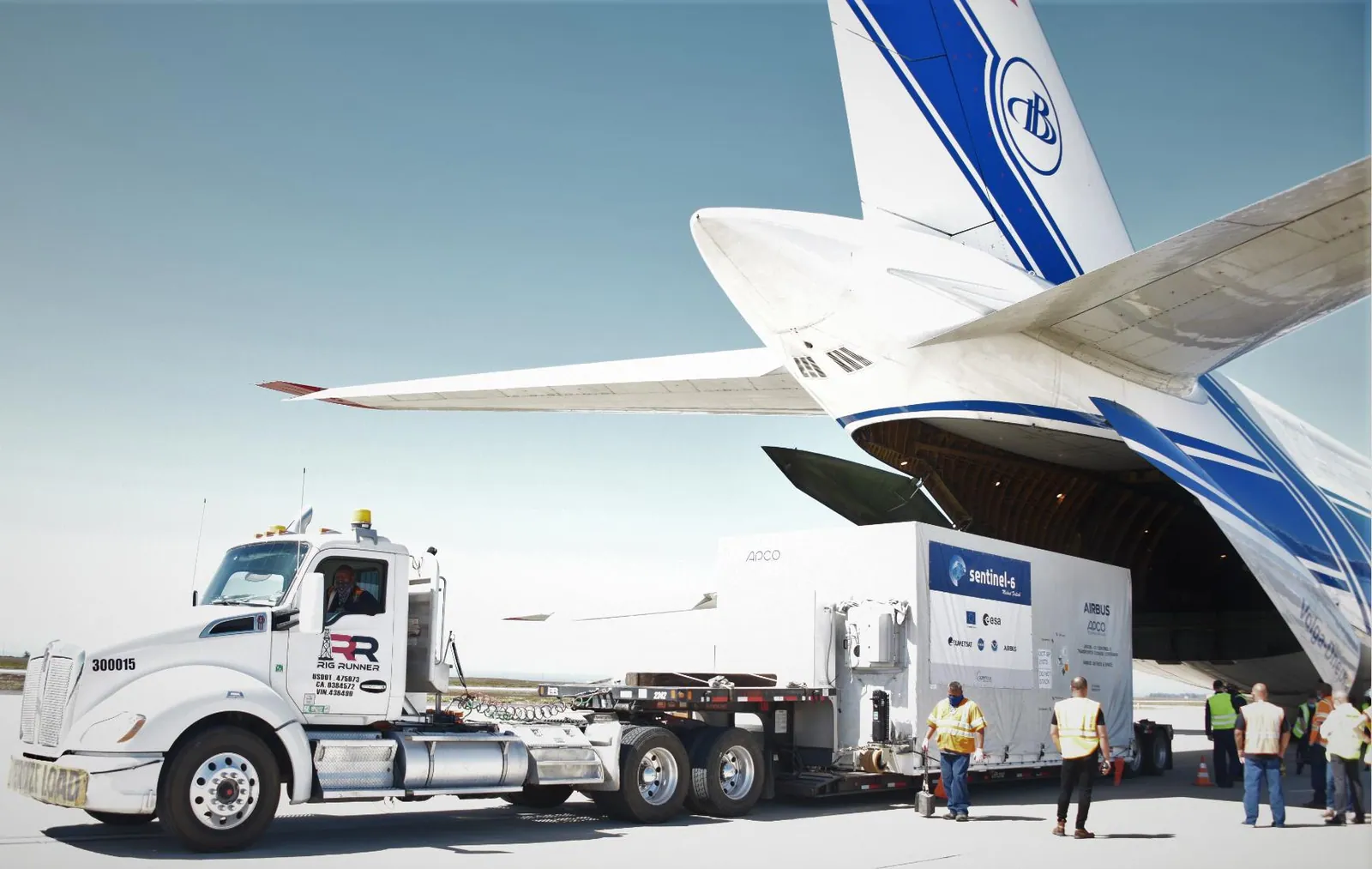
01 — Space first
Being explored. Feasibility is not yet proven.Why space comes first.
With India's space sector opening to private companies, satellite makers, launch providers and their suppliers need supply chains built for cargo that is high-value, often one of a kind, and frequently export-controlled.
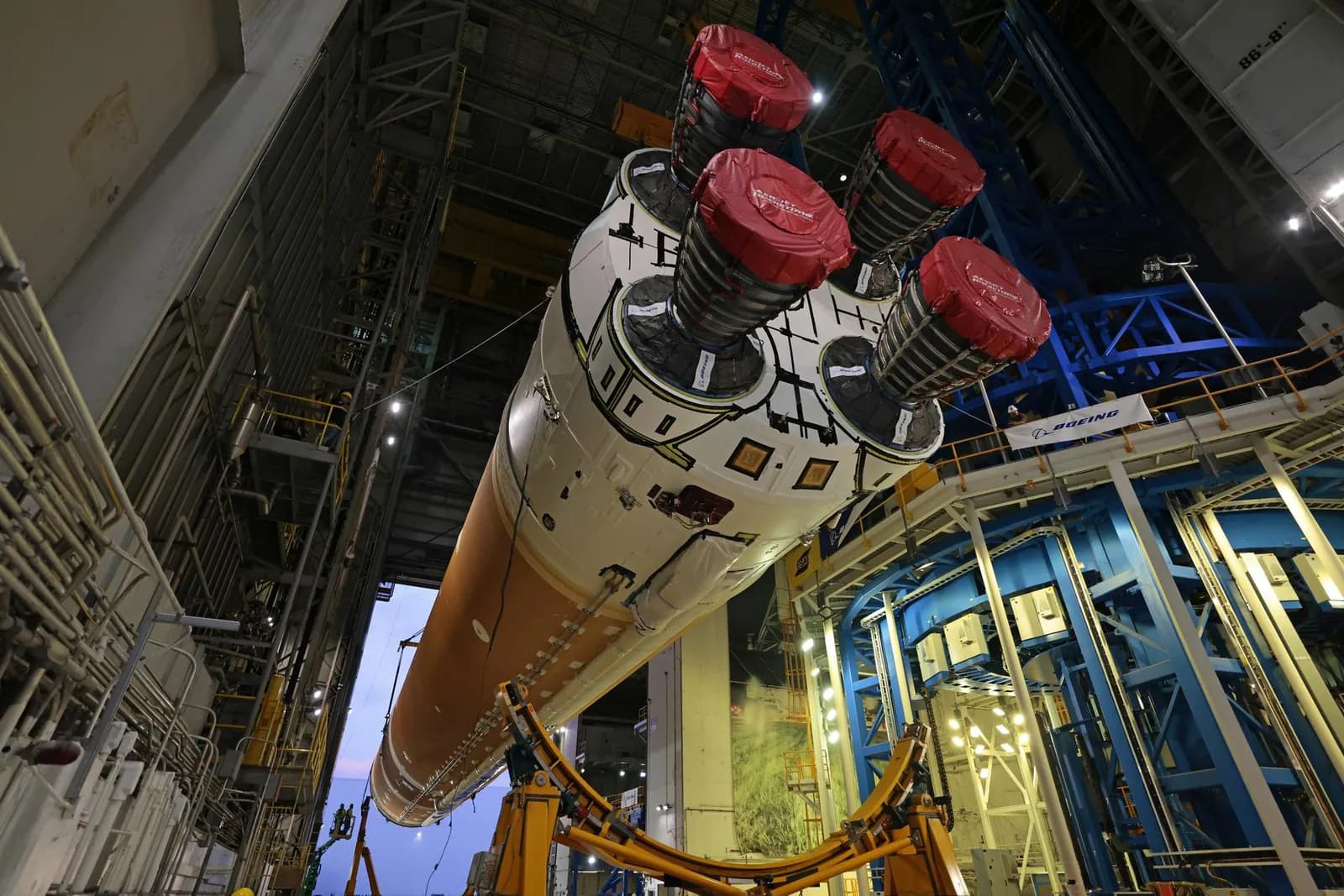
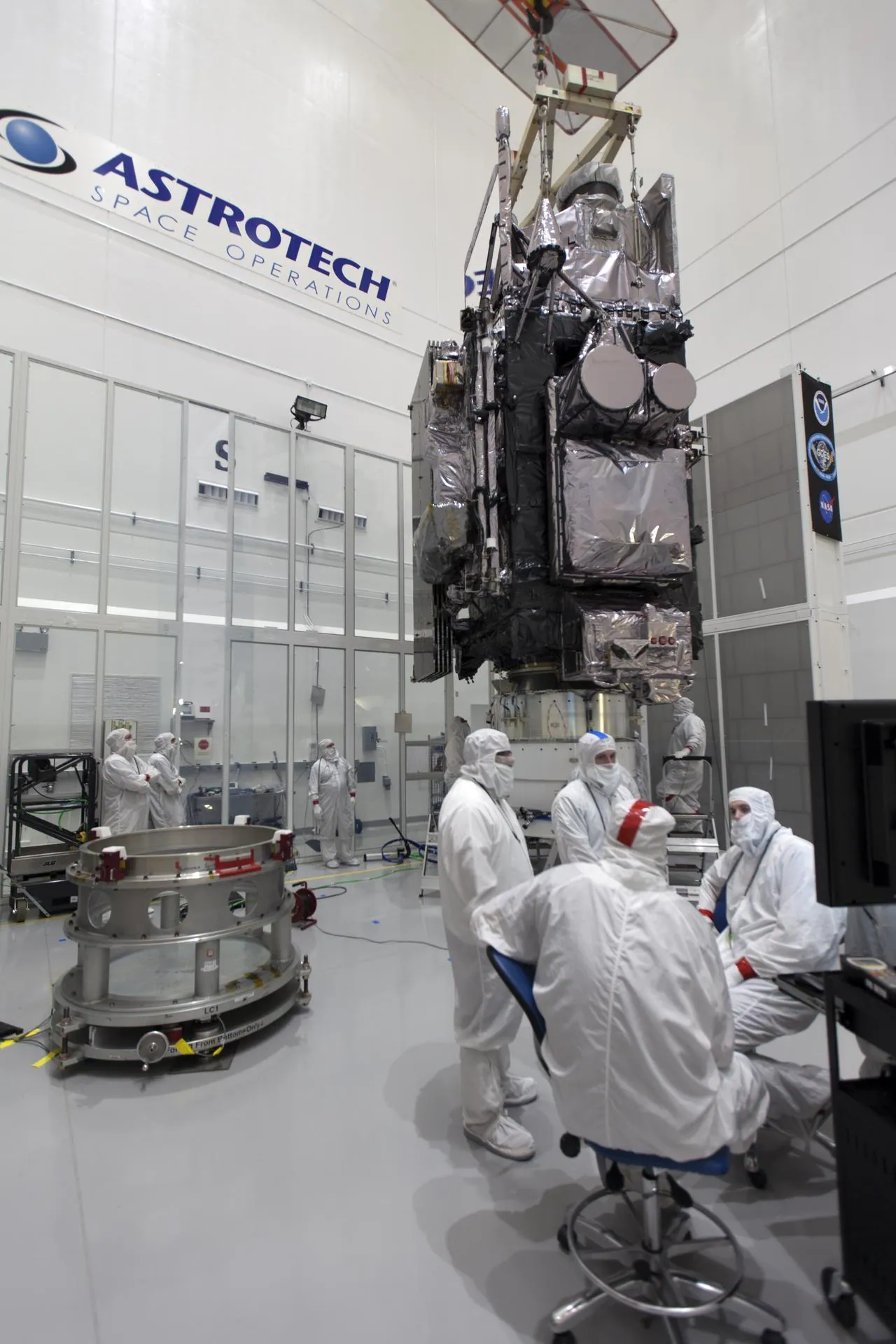
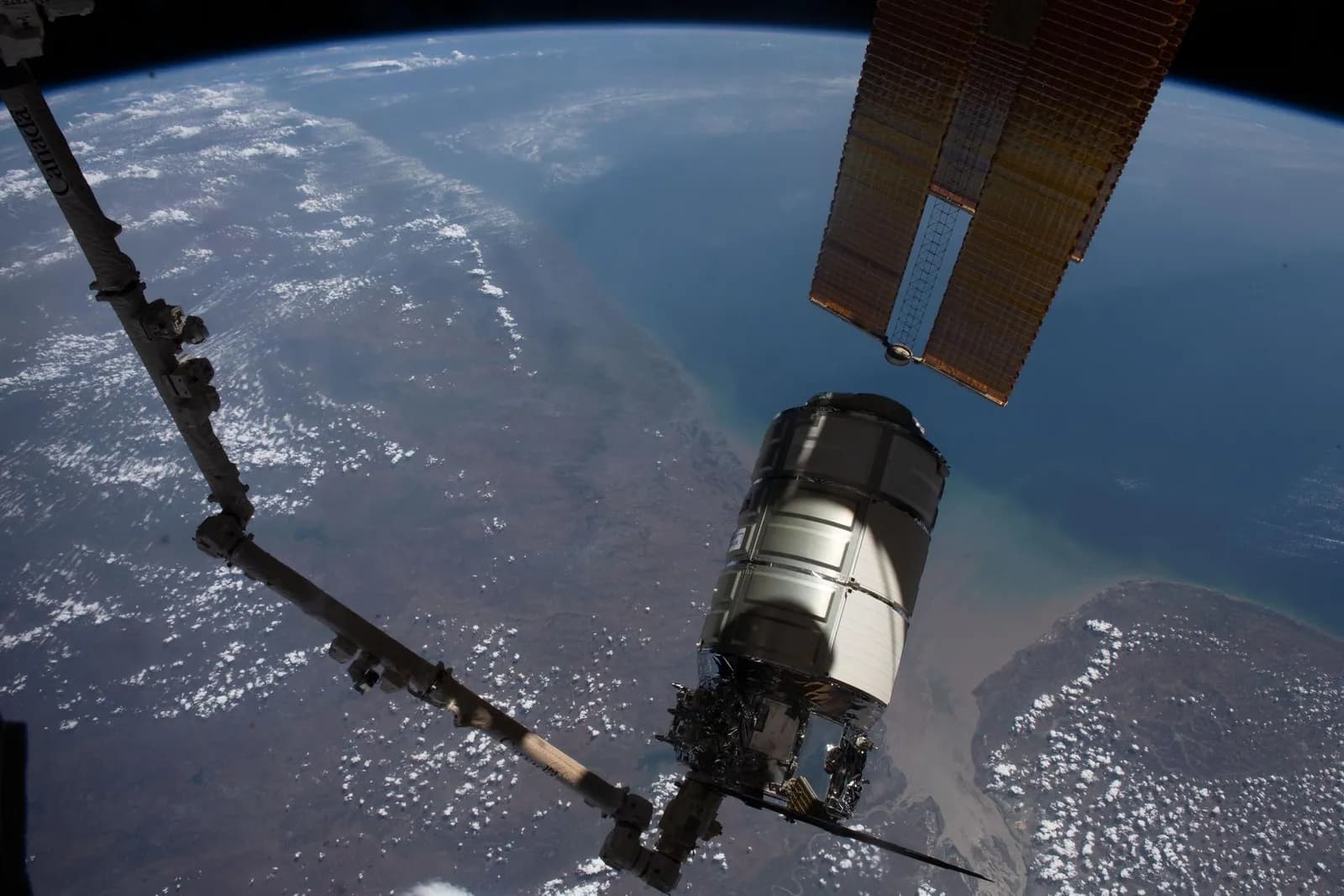
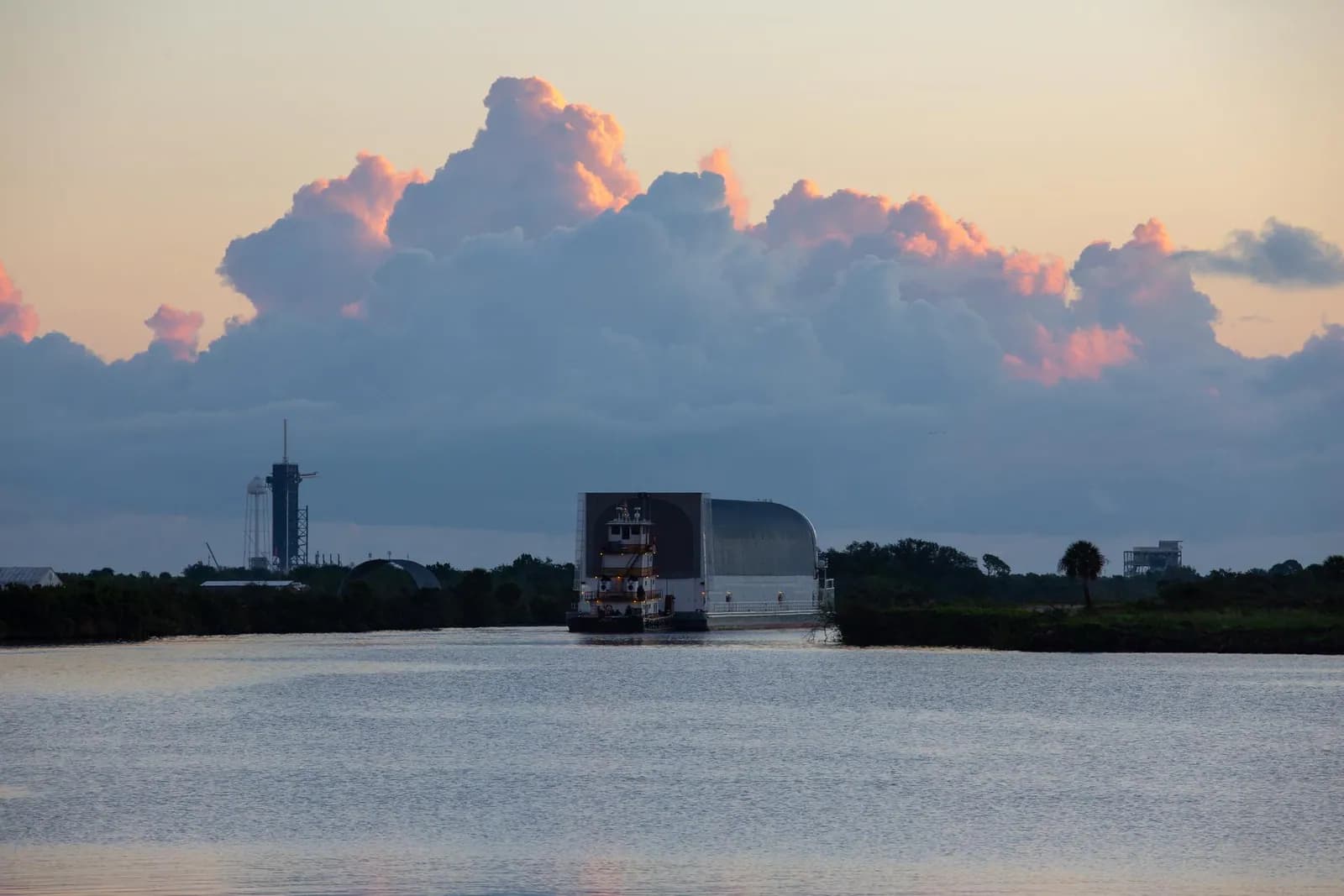
Representative images. Brands, agencies and people shown do not endorse SIWOM, and no SIWOM involvement is implied.
- Being explored. Feasibility is not yet proven.
Satellites and space systems
Satellites, subsystems and ground-segment equipment moving between makers, test sites and launch sites.
What moves
- Satellite buses and payloads
- Solar arrays, antennas and reaction wheels
- Ground stations and test equipment
Handling: Clean, climate-controlled containers with shock and humidity monitoring, often by dedicated air charter.
- Being explored. Feasibility is not yet proven.
Rockets and launch vehicles
Stages, engines and structures that are too large or sensitive for ordinary freight.
What moves
- Rocket stages and interstages
- Engines and turbopumps
- Composite structures and tooling
Handling: Oversized road, rail and barge moves; some propulsion items are classed as explosives.
- Being explored. Feasibility is not yet proven.
Space robotics
Robotic arms, servicing tools and the precision parts behind them.
What moves
- Robotic arm joints and end effectors
- Space-rated motors and gearboxes
- Vision and sensing units
Handling: Precision packing and calibration care; many items are export-controlled.
- Being explored. Feasibility is not yet proven.
Aerospace
Aircraft parts, materials and maintenance spares for manufacturers and repair shops.
What moves
- Structural and engine parts
- Avionics and harnesses
- Composites and fasteners
Handling: Traceability paperwork travels with every part; urgent spares often fly as aircraft-on-ground shipments.
Building or moving satellites, launch vehicle parts or ground equipment? Start with one real shipment.
Discuss space logistics02 — Import and export
Being explored. Feasibility is not yet proven.Four trade flows we are studying.
Import into India
Bring components, materials and machinery from international suppliers to Indian manufacturers and buyers.
- Precision bearings and actuators
- Carbon fibre and specialty alloys
- Test and production machinery
Export from India
Help Indian manufacturers ship components and finished products to buyers around the world.
- Machined and cast parts
- Wiring harnesses and electronics
- Satellite and drone subsystems
Domestic alternatives
Help buyers find Indian manufacturers who may supply what they import today.
- Structural parts and fixtures
- Battery packs and motors
- Ground equipment and tooling
Global market access
Help Indian companies reach international buyers, with logistics and documents planned from the start.
- Buyer and distributor discovery
- Landed-cost and route planning
- Export documents in one place
Follow an import or export from origin to delivery.
Each journey runs from pickup in the origin country, through the port or airport, to delivery inland. Select a shipment to see its route on the globe and every leg of its journey.
SIWOM Global Trade / Shipment map
Snapshot 18 Oct 2026, 14:30 IST
Shipments · 5
- Ocean
- Air
- Road
- Rail
INT-24-0412
In transitEindhoven, Netherlands to Pune, India
Machinery parts · 1 × 40 ft container · Import
- ETA
- 31 Oct
- Status
- In the Red Sea, on schedule
- Road: Eindhoven → RotterdamCompleted. Picked up 6 Oct
- Ocean: Rotterdam → Nhava ShevaIn progress. ETA port 27 Oct · Via Suez Canal
- Road: Nhava Sheva → PuneUpcoming. ETA 31 Oct
Ports and positions are real; shipments, dates and statuses are fictional. Ocean routes follow approximate sea lanes, and positions are snapshot values, not live tracking.
03 — What moves
Components, materials, machinery and finished products.
- Components
- Sensors, actuators, avionics, battery cells, motors, bearings and electronics.
- Materials
- Carbon fibre, composites, specialty alloys, rare-earth magnets and high-purity gases.
- Machinery
- Industrial robots, CNC and additive machines, test rigs, cleanroom and handling equipment.
- Finished products
- Satellites, drones, electric vehicles, robots and the ground equipment that supports them.
04 — Robotics, mobility and energy
The industries that follow space.
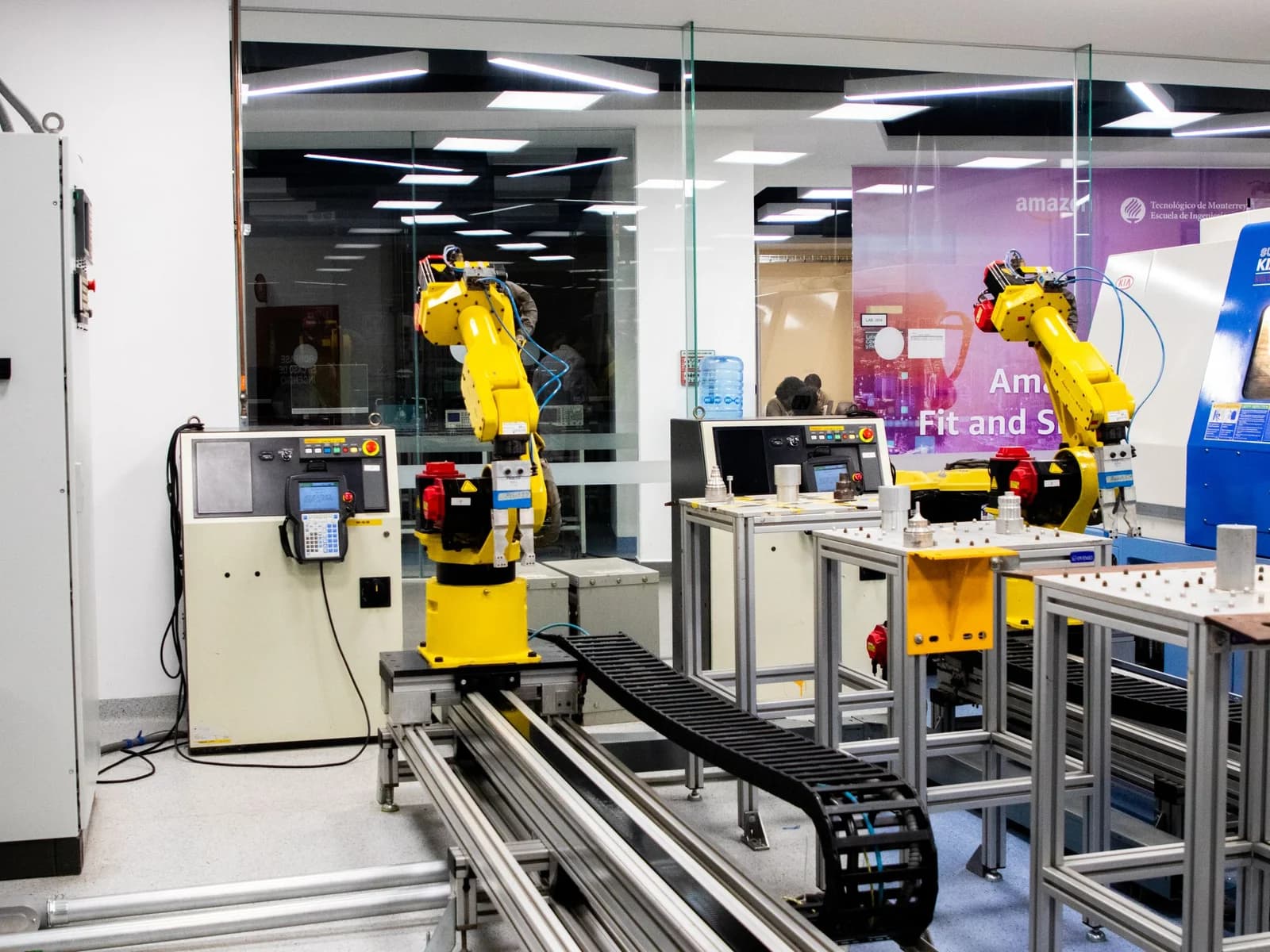
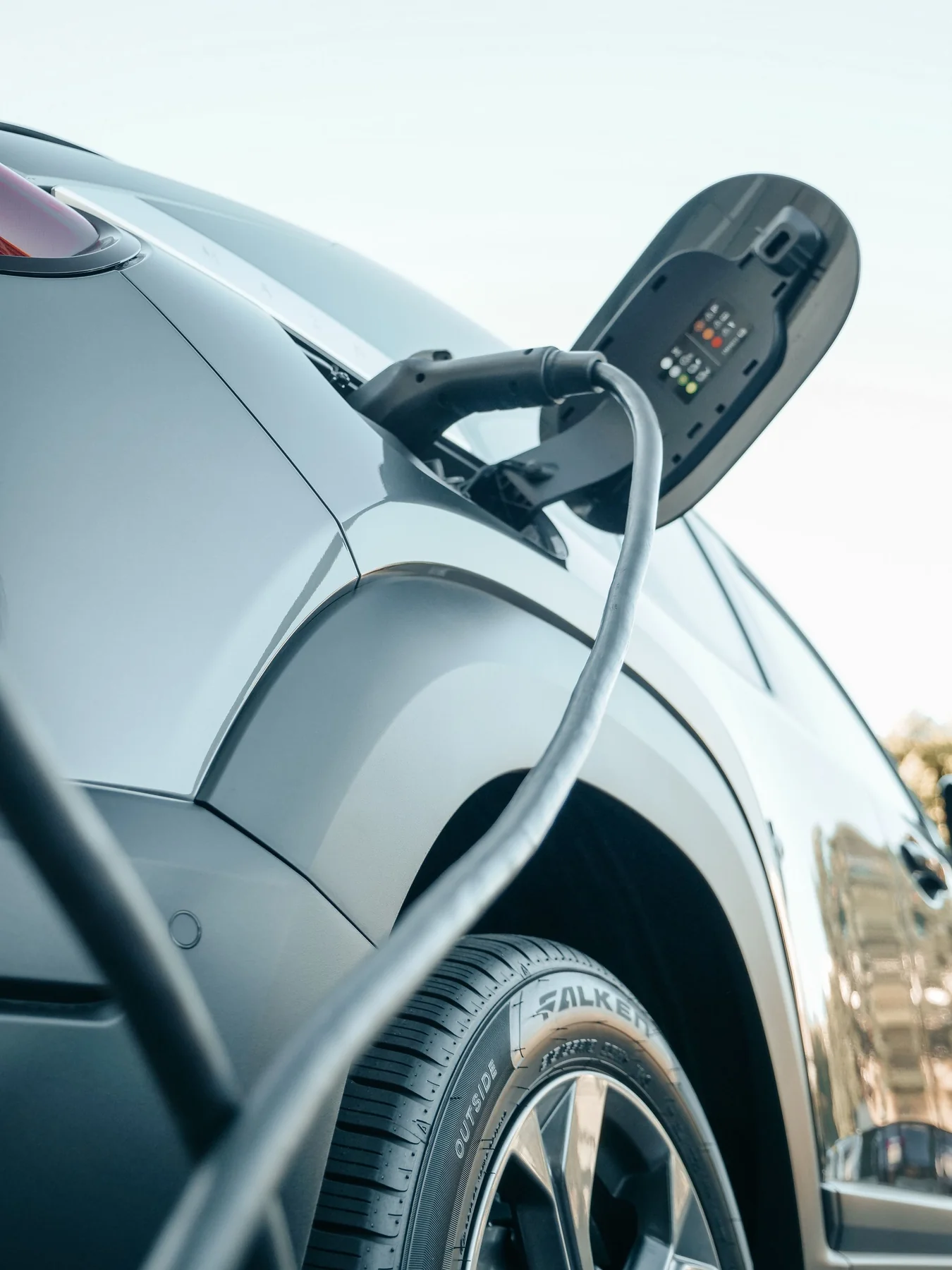
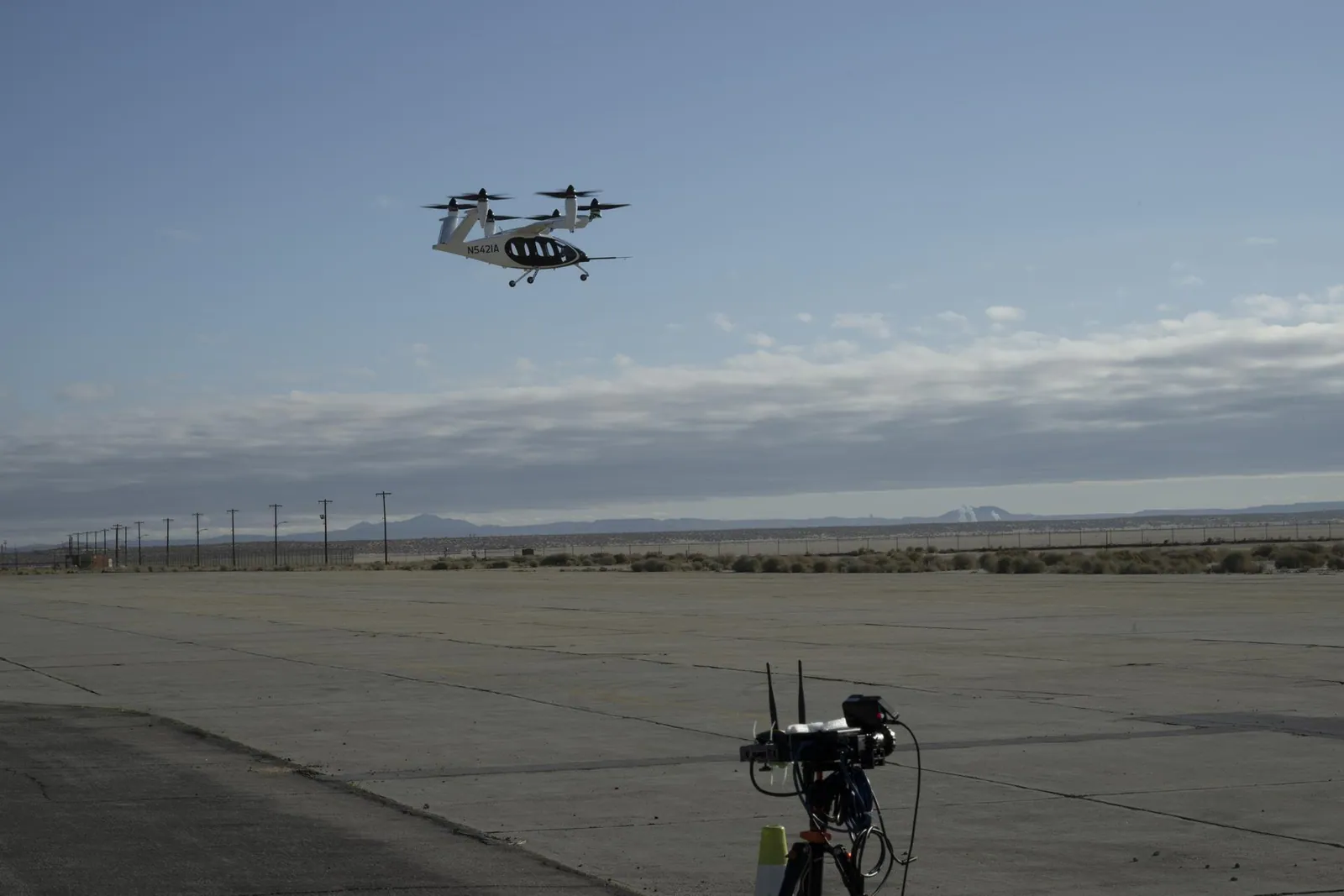
- Being explored. Feasibility is not yet proven.
Robotics
Industrial robots
Robots, mobile robots and automation cells for factories and warehouses.
Moves: Robot arms and controllers · AMRs and conveyors · Spares and end effectors
Handling: Crated machinery delivered ready for installation, with fast spares when a line stops.
- Being explored. Feasibility is not yet proven.
Automotive and advanced mobility
Electric cars
Cells, packs, motors and electronics for electric cars and commercial vehicles.
Moves: Battery cells and packs · Motors and inverters · Charging equipment
Handling: Lithium-ion batteries ship as dangerous goods (Class 9) with certified packaging and declarations.
- Being explored. Feasibility is not yet proven.
Automotive and advanced mobility
Autonomous vehicles
Sensors and compute that let vehicles perceive and navigate.
Moves: Lidar, radar and cameras · Vehicle compute units · Test vehicles and rigs
Handling: High-value electronics needing anti-static packing and careful customs classification.
- Being explored. Feasibility is not yet proven.
Automotive and advanced mobility
Drones
Airframes, propulsion and payloads for commercial and industrial drones.
Moves: Airframes and propellers · Motors, controllers and batteries · Cameras and sensor payloads
Handling: Import, export and operating rules differ by country and change often.
- An ambition we are working toward. No build has started.
Automotive and advanced mobility
Flying cars and air taxis
Electric vertical take-off aircraft are still in testing and certification worldwide.
Moves: Electric propulsion units · Battery systems · Composite airframe parts
Handling: Prototype supply chains today; volume logistics depends on certification.
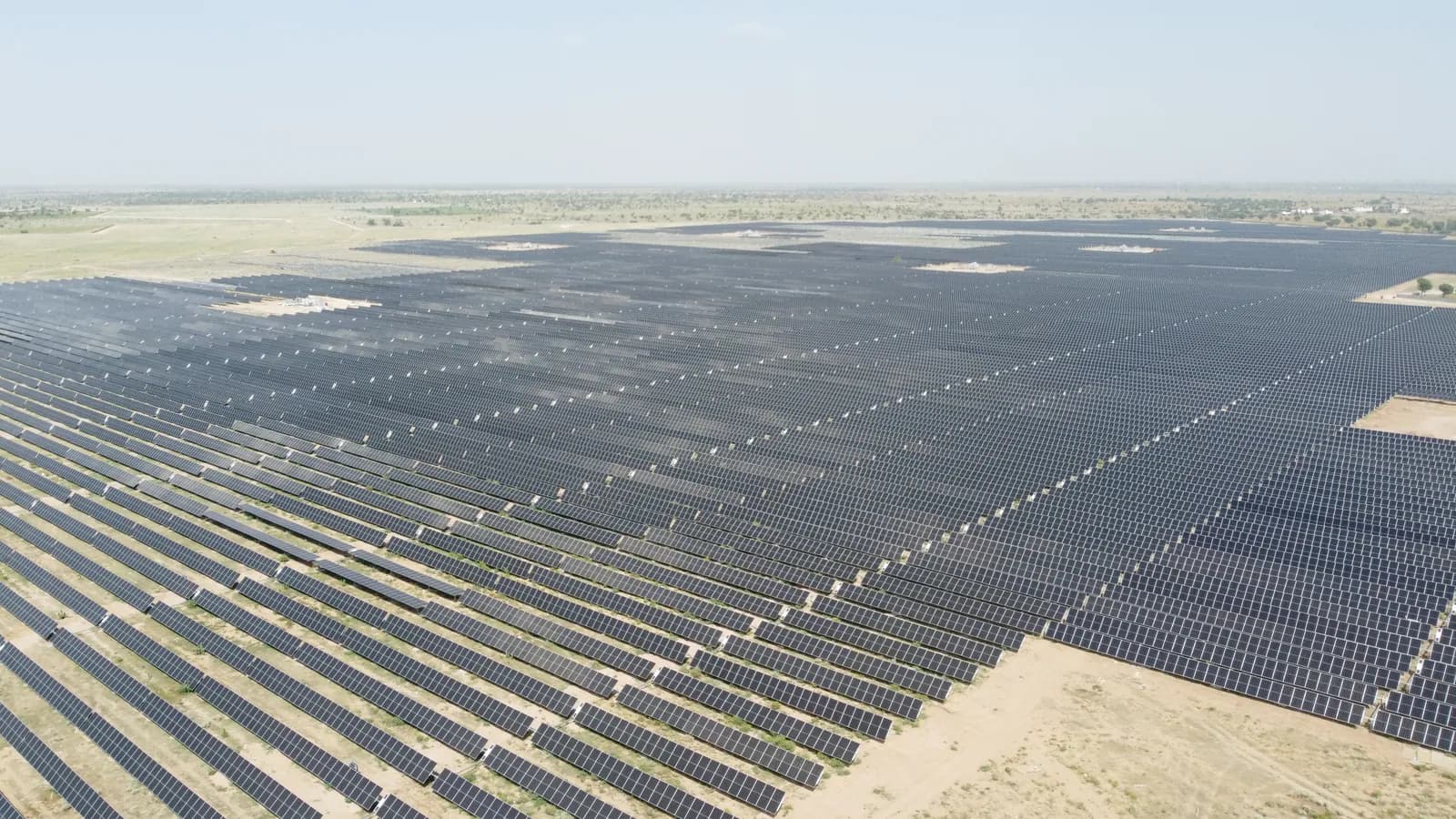
- Being explored. Feasibility is not yet proven.
Green energy
Green energy
Solar, wind, storage and hydrogen equipment for India's clean-energy build-out.
Moves: Solar modules and inverters · Wind turbine blades and nacelles · Battery storage and electrolysers
Handling: High-volume and oversized project cargo, often delivered to remote sites.
05 — For logistics companies
Designed with logistics companies.
Freight forwarders
See technology cargo demand early, with dimensions, weights and handling limits captured before you quote.
Customs brokers
Receive complete document sets, including classification notes and licence references, at a defined handoff.
Air, ocean, rail and road carriers
Plan oversized, dangerous-goods and time-critical moves with the next carrier's needs already known.
Warehouses and 3PLs
Prepare storage for climate-controlled, anti-static or bonded goods before the shipment arrives.
What the platform is meant to do
- Bring buyers, suppliers and logistics partners into one plan
- Capture handling limits and documents before the first quote
- Keep each handoff clear: who holds the goods, and what comes next
What it does not do
- Replace your contracts, rates or carrier relationships
- Take responsibility for transport, customs or storage
- Promise volumes, customers or shipments
06 — How it is meant to work
From first enquiry to delivery.
Step 1: Discover
Buyers describe what they need; suppliers in India and abroad describe what they make.Step 2: Qualify
The buyer checks capability, certification and samples. SIWOM never certifies a supplier.Step 3: Plan the move
Route, mode and handling limits are agreed, with landed cost estimated up front.Step 4: Coordinate handoffs
Documents, licences and responsibilities pass cleanly between each partner.Step 5: Deliver and record
Proof of delivery and condition data close the loop for everyone involved.
07 — Compliance
Compliance is part of the plan.
Export controls
Dangerous goods
Customs and duties
Supplier qualification
FAQ
Questions we hear.
No. It is in research. There is no live supplier directory, marketplace or quotation service yet. We are talking to manufacturers, buyers and logistics companies to decide what to build first.
No. SIWOM does not take ownership of goods, act as importer or exporter of record, or negotiate on anyone's behalf. Buyers, suppliers and licensed logistics providers keep those roles.
Not as a service yet. Tell us what you import and why you want an alternative. Requests like these shape which categories we research first. Any supplier would still need to be qualified by you.
No. Licences come from the relevant authorities, and clearance is handled by licensed customs brokers. The platform is meant to keep documents and responsibilities clear between partners, not to replace them.
Use the contact form and choose Global trade or Space logistics. Tell us your lanes, modes and any specialised capability, such as dangerous goods, oversized cargo, charter or climate-controlled handling.