Being explored. Feasibility is not yet proven.
Visible damage
Possible cracks, dents, corrosion and leaks, where image quality and access allow.
SIWOM Safety
Being explored. Feasibility is not yet proven.SIWOM Safety is research into camera-assisted inspection and hazard flagging for ports, yards and industrial sites. AI flags possible hazards; a qualified person reviews every flag and decides.
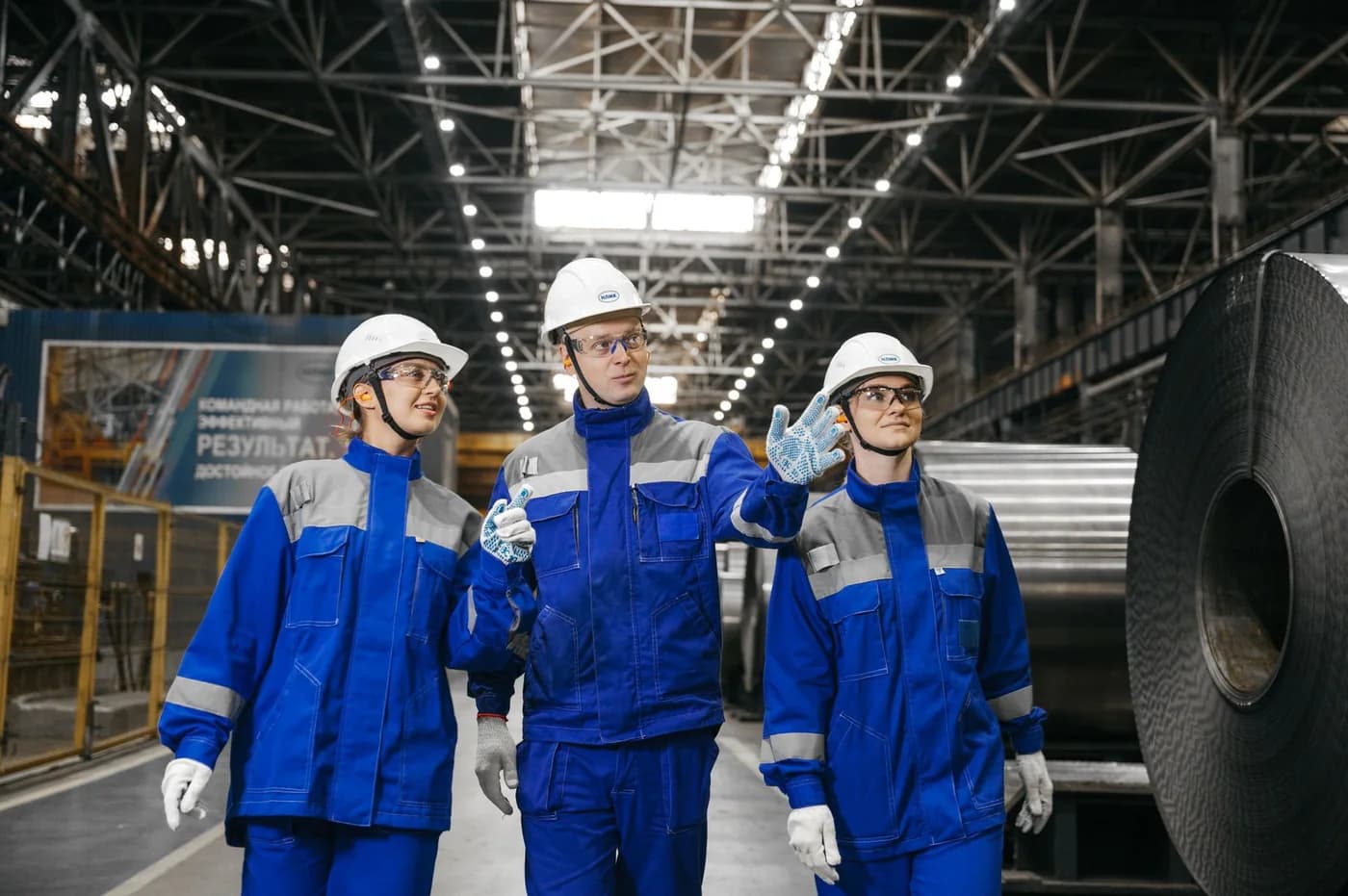
Safety-first philosophy
Industrial safety depends on trained people, good procedures and proper inspections. SIWOM Safety explores whether AI can help those people notice potential hazards sooner and record what they find more consistently.
It is never a replacement for them. AI flags potential hazards for qualified human review. It does not certify a site as safe, and SIWOM does not control cranes, vehicles or dangerous machinery.
Workflow
Inspection demo

Real reference photograph. Review areas and confidence labels are scripted demo examples, not AI findings.
Visible condition · hardware review
A manually selected area around the container latch. A reviewer would inspect its condition; the image alone does not establish a defect.
Recommended next step
Ask a qualified inspector to assess the latch and record the outcome before deciding on further action.
A qualified reviewer decides. Choose one:
4 detections pending review · demo
| Time | Detection | Action | By |
|---|---|---|---|
| 14:05:47 IST | DET-2037 · Person near reversing truck | Escalated | Sent to shift supervisor (demo reviewer) |
| 13:58:12 IST | DET-2033 · Possible spill | Dismissed | Reflection on wet ground (demo reviewer) |
About these detections
Computer vision examples
Being explored. Feasibility is not yet proven.Possible cracks, dents, corrosion and leaks, where image quality and access allow.
Possible missing helmets or hi-vis vests in areas where they are required.
People or vehicles inside marked zones such as exclusion areas.
People near active lifting zones, and vehicle–pedestrian conflict points.
Load conditions, only with suitable sensors. Cameras alone cannot weigh a load.
Feasibility first
PPE and restricted zones
Being explored. Feasibility is not yet proven.A possible missing helmet or a person near an active lifting zone matters only if the right person hears about it in time. The concept is simple: a flag with the frame, location, camera and time goes to a reviewer, who decides what happens next.
Incident management
Being explored. Feasibility is not yet proven.Consistent records with photos, location and the inspector's findings.
Structured reports that capture what happened, where and who responded.
Actions with owners and due dates, tracked to closure.
Human review and escalation
Reviewers can confirm a hazard, mark a flag as a false alarm or escalate it to a supervisor. Each choice is time-stamped in an audit trail, so the record shows who decided what, and when.
Limitations and responsible use
Cameras see surfaces only
No guarantees
No control of machinery
Validated before relied on
Visible surface conditions, where image quality allows: possible dents, corrosion, leaks, missing PPE or people inside marked zones. Ordinary cameras cannot assess internal structural integrity, electrical safety or hidden material defects. Those need engineering inspections, specialised sensors and non-destructive testing.
Performance depends on camera quality, sensor coverage, lighting, weather, viewing angle and validation on each site's own data. Expect false alarms and missed detections. Any deployment would be validated on site before people rely on it.
No. It flags potential hazards for qualified human review. People decide what happens next and remain accountable. It never certifies a site, an asset or a lift as safe.
No. SIWOM does not control cranes, vehicles or dangerous machinery. Any stop or pause is a human decision made through the site's existing procedures.
Not yet. SIWOM Safety is in research. We are looking for industrial partners to explore it with on real sites, under their safety processes.
Our approach is to flag conditions, not identify people: no face recognition, footage access limited by role, and retention periods agreed with each site. These are design intentions, not certifications.
FAQ
No. It is in research. We are looking for partners who want to explore it on real sites, under their existing safety processes.
Possibly not. Existing CCTV can sometimes be used, but coverage, resolution, angle and lighting decide what is feasible. That is assessed per site before anything is promised.
No. It can make inspection records more consistent and easier to audit, but it does not certify a site, asset or process as safe or compliant. Qualified people and the applicable inspections still do that.
Reviewers mark them as false alarms, and that outcome is logged. Over time, those outcomes help tune the system for the site. False alarms will never reach zero.